
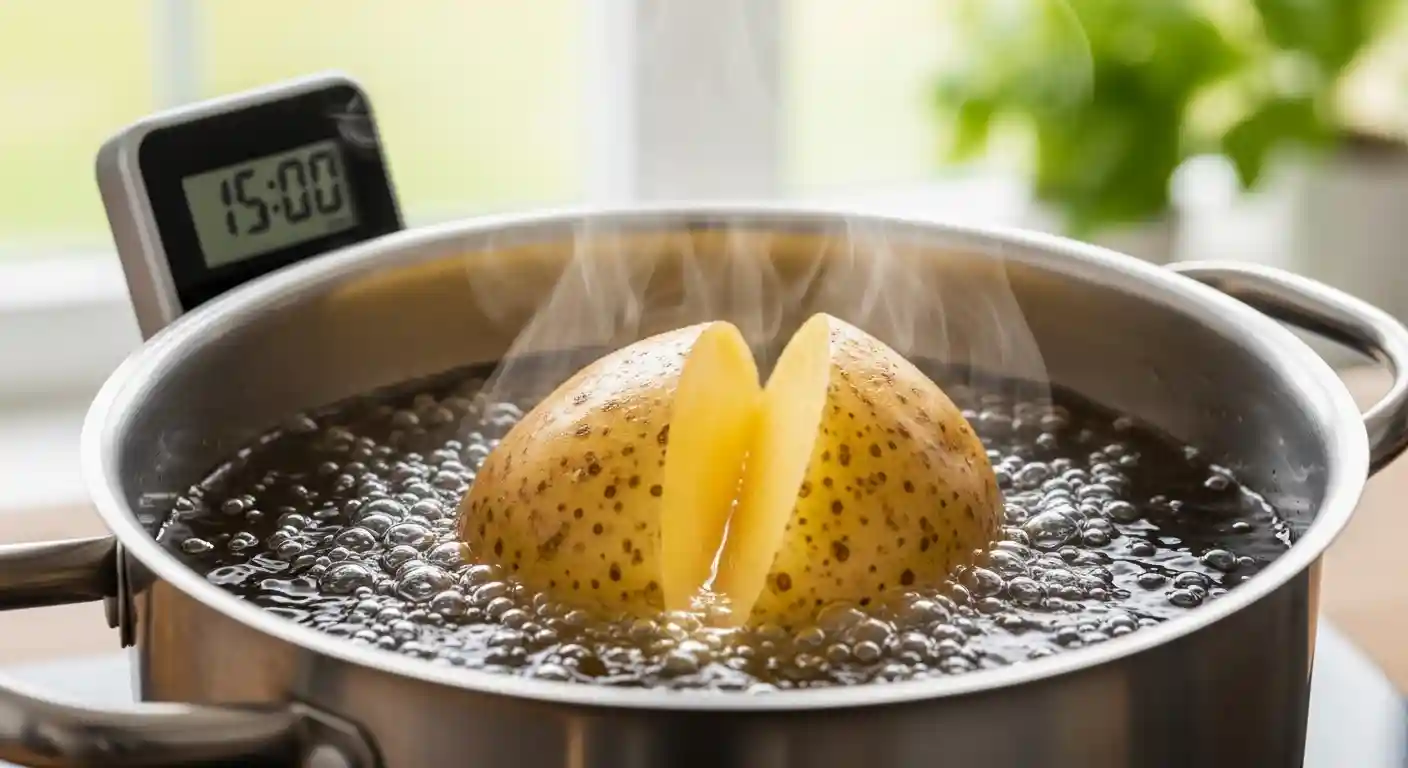

If you’ve ever stood over a pot of water wondering how long do golden potatoes take to boil, you’re definitely not alone. Golden potatoes — also called Yukon Gold potatoes — are a kitchen favorite for their creamy texture and buttery flavor. But getting the timing right makes all the difference between a perfect bite and a mushy mess.
Whether you’re making mashed potatoes, a warm salad, or a simple side dish, this guide walks you through everything you need to know.
What Are Golden Potatoes?
Golden potatoes, most commonly known as Yukon Golds, have thin yellow skin and a naturally buttery, slightly sweet flavor. Unlike russets, they hold their shape reasonably well after cooking, which makes them incredibly versatile.
They work beautifully for boiling, roasting, or mashing. Their medium starch content sits right between waxy and starchy potatoes, giving you that rich, creamy texture without falling apart too quickly.
How Long Do Golden Potatoes Take to Boil?
The boiling time depends on one main factor — size. Here’s a simple breakdown:
Whole golden potatoes (medium-sized): 20 to 25 minutes Halved golden potatoes: 15 to 18 minutes Quartered or cubed golden potatoes: 10 to 13 minutes Small baby golden potatoes (whole): 15 to 20 minutes
These times assume you’re starting with cold water and bringing it to a boil together with the potatoes. If you drop potatoes into already-boiling water, reduce each estimate by about 2 to 3 minutes.
Always test with a fork or knife. When it slides in easily with no resistance, they’re done.
Step-by-Step: How to Boil Golden Potatoes Perfectly
1. Prep Your Potatoes
Rinse them thoroughly under cold running water. Scrub off any dirt from the skin. You can peel them or leave the skin on — golden potato skin is thin and tasty, so many people skip peeling altogether.
Cut them based on how you plan to use them:
- Whole for potato salads (they hold shape better)
- Cubed or quartered for mashing or soups
- Halved for a quick side dish
2. Start in Cold Water
Place the potatoes in a pot and cover them with cold water by about an inch. Starting in cold water helps them cook evenly from the inside out. If you drop them into boiling water, the outside cooks faster than the inside, which can lead to uneven texture.
3. Salt the Water Generously
Add a good pinch of salt — roughly 1 teaspoon per quart of water. This seasons the potatoes from the inside while they cook. Don’t skip this step; it makes a real difference in flavor.
4. Bring to a Boil, Then Reduce
Bring the water to a full rolling boil over medium-high heat, then reduce to a steady simmer. This prevents the potatoes from bouncing around and breaking apart.
5. Test Early and Often
Start checking about 2 minutes before your expected time. Insert a sharp knife or fork into the thickest part. No resistance means they’re ready.
6. Drain Immediately
Once done, drain them right away. Leaving potatoes sitting in hot water continues the cooking process and can make them waterlogged and mushy.
What Happened to Selena Green Vargas? The Full Story
Practical Example: Boiling for Mashed Potatoes
Say you want creamy mashed golden potatoes for dinner. Here’s what works:
Peel and quarter four medium Yukon Golds. Drop them into a pot, cover with cold salted water, and bring to a boil. Reduce heat and simmer for about 12 minutes. Drain, let them steam dry for a minute or two, then mash with butter and warm cream. The result? Incredibly smooth and rich mash with minimal effort.
Pros and Cons of Boiling Golden Potatoes
Pros:
- Quick and simple cooking method
- Preserves the natural buttery flavor
- Works for a wide range of dishes — mash, salads, soups, stews
- Requires minimal equipment
- Easy to control texture based on cook time
Cons:
- Easy to overcook if you’re not watching
- Waterlogged texture is a real risk if left in water too long
- Boiling leaches some water-soluble nutrients like potassium and vitamin C
- Less crispy finish compared to roasting
Common Mistakes to Avoid
A lot of people run into the same problems with boiled potatoes. Here’s what to watch out for:
Starting with boiling water. Dropping cold potatoes into boiling water causes the outside to cook much faster than the inside. Always start in cold water for even cooking.
Not salting the water. Unsalted water means bland potatoes. Season the water well — you can always adjust later.
Cutting pieces unevenly. If some chunks are large and others tiny, they won’t finish at the same time. Try to cut everything to a similar size.
Leaving them in the water after draining. Even after draining, residual steam continues cooking the potatoes. Spread them out briefly if you’re not using them immediately.
Not testing before the timer ends. Potatoes vary in size and freshness. Always test a couple minutes early to avoid overcooking.
Overcrowding the pot. Use a pot large enough so the potatoes sit in a single layer and are fully submerged. A cramped pot leads to uneven results.
Best Practices for Boiling Golden Potatoes
Follow these tips and you’ll get perfectly cooked potatoes every single time:
- Use a pot with a lid to bring water to a boil faster, then remove the lid during simmering for better control.
- Keep pieces uniform — aim for roughly 1.5-inch chunks if cubing.
- Add a splash of vinegar to the water when making potato salad; it helps keep the potatoes firm.
- Let them steam dry after draining for 1 to 2 minutes before mashing. This removes excess moisture and results in a fluffier, creamier mash.
- Use cold water to stop cooking if you need firm potatoes for a salad — drain, then rinse briefly under cold water.
- Don’t peel before boiling if you want a firmer texture — the skin acts as a protective barrier during cooking.
How to Tell When Golden Potatoes Are Done
Timing is a great guideline, but the fork test is your real friend here. Push a fork or thin knife into the center of the largest piece. If it goes in smoothly with zero resistance, they’re perfectly cooked. If you feel any firmness, give them another 2 minutes and test again.
Another sign is the skin beginning to look slightly wrinkled or pulling away slightly. That’s a visual cue they’re getting close.
What to Make After Boiling
Once your golden potatoes are perfectly boiled, the options are genuinely wide open:
- Classic mashed potatoes with butter and cream
- Warm potato salad with Dijon mustard and herbs
- Simple boiled potatoes tossed with olive oil and parsley
- Potato soup base
- Home fries (boil first, then pan-fry for crispy results)
Conclusion
Boiling golden potatoes is one of those simple kitchen tasks that’s easy to get right once you know the basics. Start in cold salted water, keep your pieces uniform, and always test with a fork before your timer hits zero. Medium whole potatoes take around 20 to 25 minutes, while cubed pieces are done in just 10 to 13. The key is paying attention and not walking away from the stove too long.
Golden potatoes are forgiving and delicious — treat them right and they’ll reward you with a creamy, flavorful result every time.
Frequently Asked Questions
1. How long do golden potatoes take to boil for mashed potatoes?
For mashing, quartered golden potatoes typically take 10 to 13 minutes. You want them very tender — the fork should slide in with almost no resistance. Drain well and let them steam before mashing.
2. Should I boil golden potatoes with the skin on or off?
Either works. Leaving the skin on adds a slight rustic texture and helps the potato stay firmer. Peeling before boiling gives a smoother result, especially for mashed potatoes.
3. Why are my boiled golden potatoes falling apart?
They were likely overcooked. Golden potatoes have a medium starch content, so they can get mushy if left in boiling water too long. Start checking a few minutes before your expected time.
4. Can I boil golden potatoes ahead of time?
Yes. Boil them, drain, and let them cool completely before storing in an airtight container in the fridge for up to 3 days. Reheat gently in the microwave or a skillet with a little butter.
5. What’s the difference between boiling Yukon Gold and russet potatoes?
Russets are higher in starch and tend to fall apart more easily when boiled, making them ideal for mashing but not great for salads. Yukon Golds are creamier and hold their shape a bit better, giving you more flexibility in how you use them after boiling.
