

Written by Marco Alves, a cultural researcher and writer with over a decade covering Latin American arts, literature, and street movements.
You’ve probably stumbled across the word “dubolsinho” and felt mildly confused. Is it a dance? A brand? Some internet trend? Maybe you saw it in a Brazilian context and couldn’t figure out why it seemed to mean three completely different things depending on where you looked.
You’re not alone — and you’re not missing something obvious. Dubolsinho is genuinely layered. It started as one thing, became another, and then quietly expanded into a full cultural identity. This article breaks down exactly what dubolsinho is, where it came from, how it’s used today, and why understanding it gives you a richer window into Brazilian creative culture than most mainstream sources ever will.
What Is Dubolsinho?
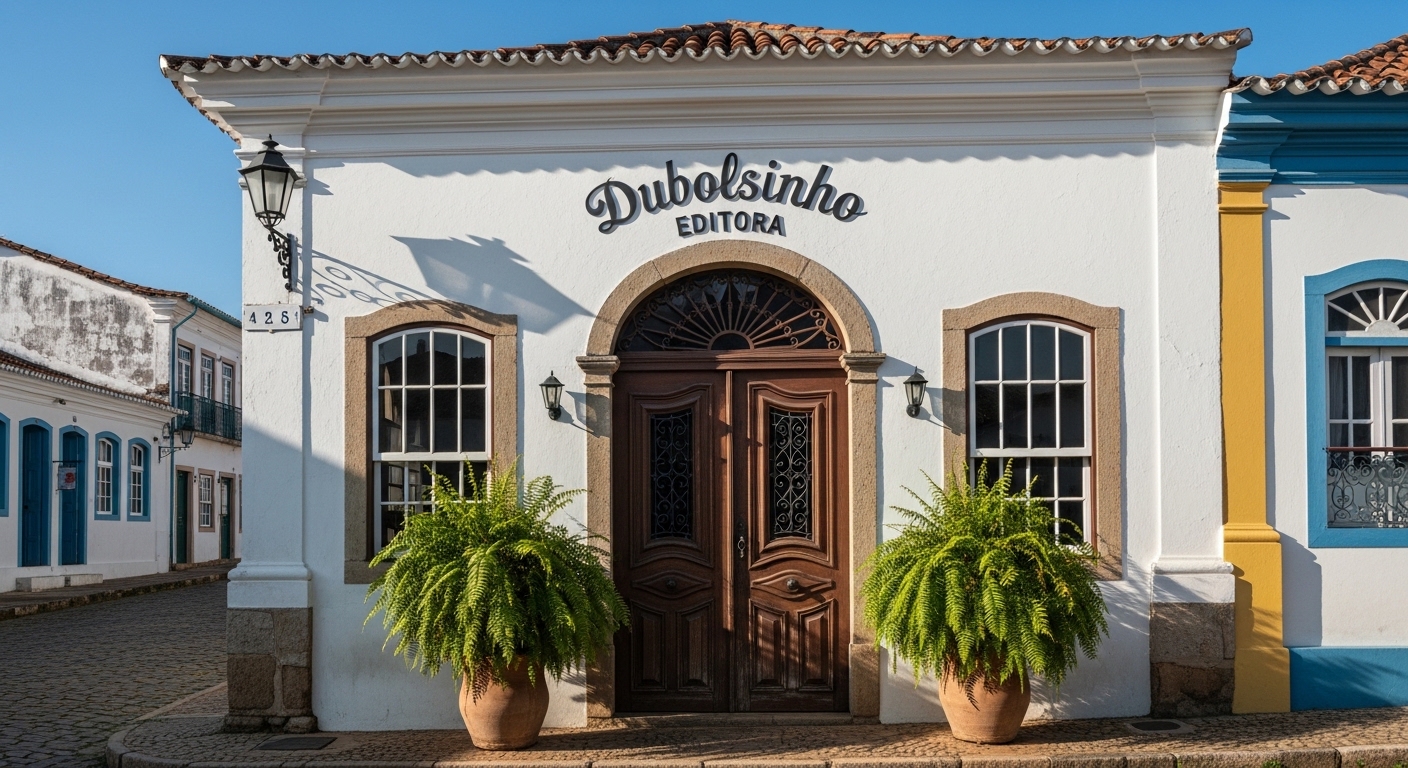
Dubolsinho is, at its core, a Brazilian independent publishing house founded in the year 2000 in Sabará, a historic city in the metropolitan region of Belo Horizonte, Minas Gerais.
The founder, Sebastião Nunes — a poet, writer, graphic artist, and editor — launched it alongside roughly 40 other authors, illustrators, and cultural collaborators. They started with just six titles. The mission was clear: produce high-quality children’s and young adult literature that reflected authentic Brazilian identity, folklore, and community values.
The name itself has a charming backstory. It traces back to an earlier project Nunes started in 1980 called Edições Dubolso, where he handled all design and graphic work at no cost to authors. “Dubolsinho” is essentially the affectionate diminutive — a smaller, warmer version of “Dubolso.” In Portuguese, adding “-inho” to a word signals endearment and smallness, like calling something your beloved little thing.
Over time, the word grew beyond the publishing house. Today it also describes:
- A Brazilian dance style rooted in samba, forró, and capoeira influences
- A street culture aesthetic blending urban art and bold expression
- A design philosophy emphasizing warmth over sterile minimalism
But the publishing house remains the authentic origin — and the most meaningful one.
Dubolsinho Explained With a Real Example
Picture this: it’s 2009 in a public school in Sabará. A class of 10-year-olds is gathered around illustrated storybooks — not generic fairy tales, but stories pulled from Minas Gerais folklore, featuring characters and landscapes the children actually recognize.
That was the Lerês project — short for Ler e Escrever por Prazer (Reading and Writing for Pleasure) — an annual initiative run by the Instituto Cultural Dubolsinho in partnership with local public schools. At its peak, it reached approximately 1,700 students across the municipality.
This wasn’t charity work dressed up as publishing. It was a deliberate act of cultural preservation. Dubolsinho’s books appeared in school curricula, libraries, and NGO distributions in underserved communities — making quality literature accessible to children who had no other route to it.
That’s the detail most trend pieces about “dubolsinho the dance” or “dubolsinho the aesthetic” completely miss. The word carries decades of community-first values embedded in it.
12.8 x 7.2 Cork Board: Full Buying & Use Guide
How to Understand and Engage With Dubolsinho Today
Whether you’re a reader, a student of Brazilian culture, or a content creator covering Latin American topics, here’s how to approach dubolsinho correctly:
- Start with the publishing context. Recognize that Dubolsinho (the publisher) is based in Sabará and focuses on literatura infantojuvenil — children’s and young adult literature.
- Identify which version you’re encountering. If someone says “dubolsinho dance,” they mean the Brazilian movement style influenced by samba and forró. If they say “dubolsinho aesthetic,” they mean a design philosophy that softens minimalism with warmth and personality.
- Look for the cultural thread. All versions of the term share a core idea: community-driven creativity that prioritizes authenticity over mass-market appeal.
- Don’t treat it as just a trend. The publishing house alone has over two decades of work. Any article reducing dubolsinho to a TikTok trend is telling you about 5% of the picture.
- Engage with Brazilian sources. Dubolsinho’s catalog is in Brazilian Portuguese. If you’re serious about understanding it, even a basic Portuguese reading ability opens up titles that never reached international markets.
Common Mistakes People Make About Dubolsinho
Mistake 1: Treating all uses of the word as the same thing. The dance interpretation, the design aesthetic, and the publishing house are connected by a shared cultural DNA — but they’re not interchangeable. Conflating them leads to shallow content.
Mistake 2: Assuming it’s a new phenomenon. Much online content frames dubolsinho as an emerging 2024/2025 trend. The publishing house has operated since 2000. Sebastião Nunes was already doing community cultural work in 1980. This is not new — it’s newly discovered by non-Brazilian audiences.
Mistake 3: Ignoring the geographic specificity. Dubolsinho emerged from Sabará, not Rio de Janeiro or São Paulo. Sabará is a historic colonial city. That context — provincial, community-rooted, distinct from Brazil’s major urban centers — shapes the entire philosophy behind the word.
Mistake 4: Skipping the founder. Sebastião Nunes received the Prêmio Governo de Minas Gerais de Literatura in 2018, marking 50 years of contribution to Brazilian arts and culture. Any serious treatment of dubolsinho should acknowledge him.
Dubolsinho vs. Related Brazilian Cultural Terms
| Term | Origin | Primary Expression | Key Values |
|---|---|---|---|
| Dubolsinho | Sabará, Minas Gerais | Publishing, dance, aesthetic | Community, authenticity, warmth |
| Capoeira | Bahia, Brazil | Martial art / dance | Freedom, resistance, rhythm |
| Forró | Northeast Brazil | Music and dance | Celebration, folk tradition |
| Samba | Rio de Janeiro | Music and dance | Joy, cultural pride, improvisation |
| Tropicália | Brazil (1960s) | Music and art movement | Countercultural, experimental |
What separates dubolsinho from these better-known terms is its hyper-local, community-managed origin. Samba and capoeira went global through commercial channels. Dubolsinho stayed close to its roots — and that restraint is part of its identity.
Pro Tips for Writing or Talking About Dubolsinho
- Always specify which dimension you mean. Publishing? Dance? Aesthetic? This one word does a lot of heavy lifting depending on context.
- Lean into the diminutive meaning. The “-inho” suffix isn’t just grammatical — it signals a cultural attitude of smallness with purpose. Dubolsinho isn’t trying to be massive. That’s intentional.
- Reference Sabará, not just Brazil. The city-level specificity adds credibility and distinguishes your content from the dozens of generic trend articles online.
- For design and aesthetic applications, the core principle is: clarity without coldness. Keep that as your north star when applying the dubolsinho philosophy to branding or UI work.
Frequently Asked Questions About Dubolsinho
Q1: Is dubolsinho a real word in Portuguese?
Yes — it’s a compound diminutive rooted in Portuguese. The “-inho” ending is a standard affectionate suffix in Brazilian Portuguese. The name was coined by Sebastião Nunes based on his earlier Dubolso publishing project.
Q2: Where is the Dubolsinho publishing house located?
It’s based in Sabará, a historic city in the metropolitan area of Belo Horizonte, in the state of Minas Gerais, Brazil. The headquarters moved from Nunes’ home to a dedicated warehouse space around 2012.
Q3: What kind of books does Dubolsinho publish?
The focus is literatura infantojuvenil — children’s and young adult literature. Titles often integrate Brazilian folklore, regional cultural narratives, and moral themes. One notable title is Porquinho da Índia, available in Brazilian Portuguese.
Q4: Is the dubolsinho dance connected to the publishing house?
Loosely, through shared cultural DNA. Both draw from Brazilian community traditions, improvisation, and authenticity. But the dance interpretation evolved independently and is more associated with samba and forró influences than with the publishing brand directly.
Q5: Who founded Dubolsinho and why does it matter?
Sebastião Nunes — poet, writer, graphic artist, and editor from Bocaiúva, northern Minas Gerais — founded it in 2000 with around 40 collaborators. His 2018 state literary prize and 50-year body of work make him one of the most significant figures in independent Brazilian cultural publishing. Understanding him is essential to understanding dubolsinho properly.
Q6: Can I find Dubolsinho books outside Brazil?
Most titles are in Brazilian Portuguese and were distributed primarily within Brazil, particularly through educational programs and NGOs. International availability is limited, though some titles appear on global bookselling platforms.
The Real Takeaway
Dubolsinho is not a trend. It’s a cultural word with real history, a real founder, a real city, and a real body of work stretching back more than two decades. The dance and design interpretations that circulate online are genuine cultural expressions — but they’re downstream of something much more grounded.
If you want to use dubolsinho authentically in your writing, your content, or your creative work — start with Sabará. Start with Sebastião Nunes. Start with the idea that something can be small, community-rooted, and deeply meaningful all at the same time.
That’s what the “-inho” was always pointing to.
