

Written by Camila Rocha, a cultural journalist and educator with over a decade of experience covering Latin American literature, literacy initiatives, and community-driven publishing.
You searched for a name that keeps appearing in conversations about Brazilian children’s books, cultural literacy, and independent publishing — and now you’re wondering: what exactly is dubolsinho, and why does everyone in Brazilian literary circles seem to care about it?
You’re not alone. Dubolsinho sits at a crossroads of culture, education, and community activism, yet most international readers have never heard of it. This article breaks it all down — where it came from, why it matters, and what makes it genuinely different from everything else in the children’s publishing world.
What Is Dubolsinho? The Plain-English Answer
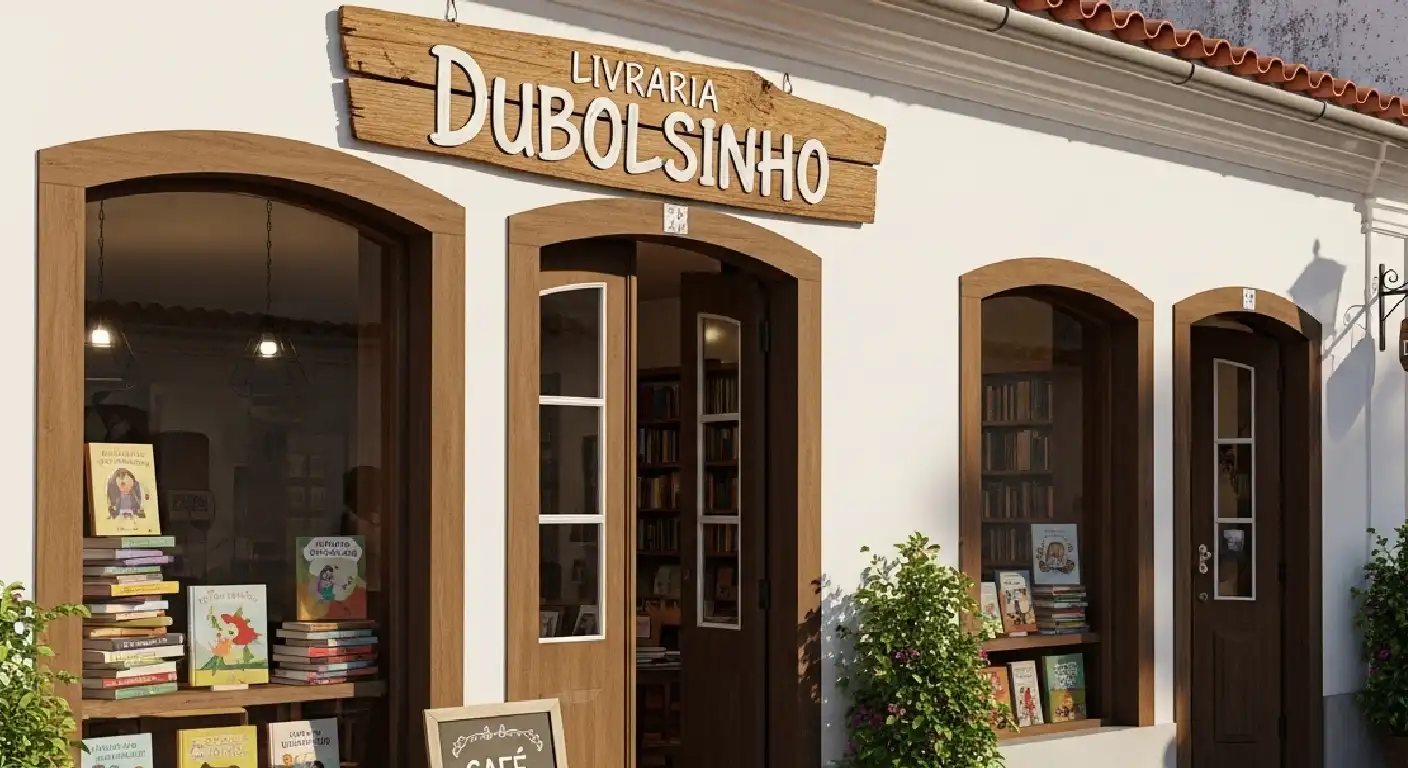
Dubolsinho is an independent publishing house based in Sabará, a historic city in the metropolitan region of Belo Horizonte, in the state of Minas Gerais, Brazil. It focuses almost entirely on children’s and young adult literature — literatura infantojuvenil — and does so with a commitment to cultural authenticity that larger commercial publishers rarely match.
The name itself is an affectionate, smaller version of “Dubolso,” carrying the same spirit of independent, community-driven publishing. Think of it as a diminutive term of endearment — very Brazilian in its warmth.
The key thing to understand: Dubolsinho is not a corporation. It is a cultural project built on the belief that stories can change young lives, especially in communities where access to quality reading material is limited.
Dubolsinho Explained Through Its Real Story
In 2000, Sebastião Nunes founded the publisher together with a group of around 40 other authors, illustrators, and cultural collaborators, launching initially with six titles, four of which were his own.
Who is Sebastião Nunes? He is a poet, writer, graphic artist, and editor born in Bocaiúva, northern Minas Gerais. As Sebastião Nuvens — a playful pen name — he began publishing texts for young readers in 1996, inspired by his daughters Teresa and Alice, then aged 10 and 5 years old.
This is not a story of venture capital or publishing conglomerates. It’s a story of a father writing for his kids, eventually building something that reached thousands.
The connection to an earlier venture, Edições Dubolso, started in 1980, where Nunes handled all design and graphic work at no cost to the authors, who only needed to pay for the printing themselves, tells you everything about the philosophy: reduce the burden on creators, elevate the work.
Until around 2012, publishing activities were carried out from Sebastião Nunes’ own home, located close to the current headquarters in Sabará. The move to a dedicated space marked a new chapter — not just of logistics, but of ambition.
Antarvacna: What It Means and Why It Matters
How Dubolsinho Actually Works: Step-by-Step
If you’re a parent, educator, or author wondering how this publishing model operates, here’s how it functions in practice:
- Author collaboration first. Dubolsinho works closely with local Brazilian authors and illustrators rather than importing content or relying on translated foreign titles. The catalog reflects Brazilian folklore, regional dialects, and lived cultural experience.
- Community integration. Dubolsinho began investing in social projects to stimulate reading, including the Lerês project, which covered public schools in the municipality and reached approximately 1,700 students.
- School and library distribution. Many schools integrated Dubolsinho’s works into classroom settings as primary teaching materials to support reading comprehension and cultural learning. Libraries across the country included titles in reading programs, encouraging children to engage with stories outside of the classroom.
- NGO partnerships for access. Educational NGOs often distributed Dubolsinho’s books to underprivileged communities, ensuring access to high-quality learning resources for children who might not otherwise have them.
- Annual literary initiatives. The Lerês project — Ler e Escrever por Prazer, or Reading and Writing for Pleasure — was an annual initiative that started in 2009, working through the Instituto Cultural Dubolsinho in partnership with local public schools.
This is a full-circle publishing ecosystem: create, distribute, teach, and celebrate — all within the same community.
Common Mistakes People Make About Dubolsinho
Here’s where most casual searches go wrong:
- Confusing it with a dance or fashion trend. Several viral articles have reframed dubolsinho as a Brazilian street dance or fashion aesthetic. While the word has taken on new cultural meanings online, the original and most documented meaning is the publishing house and cultural project in Sabará.
- Assuming it’s a large commercial publisher. Dubolsinho is proudly independent. It doesn’t operate with the infrastructure of major publishing houses, which is both its challenge and its charm.
- Overlooking the founder’s literary legacy. In 2018, as he approached the age of 80, Nunes received the Prêmio Governo de Minas Gerais de Literatura for his lifetime body of work, and also marked 50 years of active contribution to Brazilian arts and culture. This is not a hobbyist operation — it’s the life’s work of a decorated artist.
- Ignoring the financial realities. Independent publishing is hard everywhere. Dubolsinho faced genuine financial difficulties over the years, which is part of why understanding and supporting it matters.
Dubolsinho vs. Mainstream Children’s Publishers: A Comparison
| Feature | Dubolsinho | Mainstream Publishers |
|---|---|---|
| Focus | Brazilian cultural identity | Broad, often internationally translated |
| Author relationship | Collaborative, cost-sharing | Standard royalty contracts |
| Community role | Active school/NGO partnerships | Primarily commercial distribution |
| Content origin | Local authors and illustrators | Mixed — domestic and foreign |
| Scale | Independent, regional | National or multinational |
| Literary recognition | State literary prizes | Commercial bestseller lists |
| Accessibility mission | Core to identity | Secondary to sales |
The difference is not just scale — it’s purpose. Dubolsinho was never trying to become a multinational giant. It was trying to make sure a child in a public school in Minas Gerais could read a story that sounded like their own life.
Pro Tips: How to Engage With Dubolsinho Today
Whether you’re an educator, a reader, or someone building a library of Brazilian Portuguese content, here’s how to make the most of what Dubolsinho offers:
- Start with the catalog’s folklore titles. The illustrated storybooks bring Brazilian folklore and traditional narratives to life in a format accessible to children — ideal for language learners and cultural studies alike.
- Look for the Aaatchim! and Dubolso Digital imprints. The family expanded to include these imprints, broadening the range of content available beyond the original catalog.
- Use it in bilingual education programs. The cultural specificity of Dubolsinho titles makes them valuable tools in Portuguese language acquisition for children with Brazilian heritage living abroad.
- Reference it in academic work. Dubolsinho is a strong case study for community publishing models, literacy activism, and how independent cultural institutions sustain themselves through mission rather than margin.
- Check for Porquinho da Índia as an entry point. It is one of the well-known titles in the catalog and reflects the playful, accessible quality that defines the Dubolsinho collection.
Frequently Asked Questions About Dubolsinho
1. What does the word “dubolsinho” mean in Portuguese?
It is an affectionate diminutive of “Dubolso,” a name with roots in Sebastião Nunes’ earlier publishing venture from 1980. The “-inho” suffix in Portuguese implies smallness and warmth — a fitting name for a publisher serving young readers.
2. Where is Dubolsinho located?
The headquarters is in Sabará, a historic city in the metropolitan area of Belo Horizonte, Minas Gerais, Brazil.
3. Who founded Dubolsinho and when?
Sebastião Nunes, a poet, artist, and editor, co-founded it in 2000 alongside roughly 40 other authors, illustrators, and cultural collaborators.
4. What kind of books does Dubolsinho publish?
It specializes in literatura infantojuvenil — children’s and young adult literature — with a strong emphasis on Brazilian folklore, cultural narratives, and moral lessons for young readers.
5. Has Dubolsinho received any formal recognition?
Yes. The founder, Sebastião Nunes, received the Prêmio Governo de Minas Gerais de Literatura in 2018, recognizing both his personal body of work and his decades of contribution to Brazilian arts and culture.
6. Is Dubolsinho connected to any social programs?
Absolutely. The Lerês project, running since 2009 through the Instituto Cultural Dubolsinho, brought reading and writing programs to public schools and reached approximately 1,700 students annually.
7. Can people outside Brazil access Dubolsinho books?
Availability internationally is limited, but some titles have been listed through online book marketplaces, making access possible for international readers willing to search for them.
The Insight Other Articles Miss
Most coverage of dubolsinho either conflates it with internet trends or skims its publishing history. What gets overlooked is the model itself.
Dubolsinho solved a problem that most publishers never try to solve: it made literary production communal. Forty people came together in 2000, not because there was profit in it, but because there were stories worth telling and children worth reaching.
That is extraordinarily rare — and it’s the reason the name has accumulated such cultural weight in Brazil that it now gets applied metaphorically to dance styles, design aesthetics, and street culture. The word carries an energy of grassroots creativity and joyful community, because that is what the original institution built over twenty-plus years.
The Takeaway
Dubolsinho is more than a publishing house. It is proof that community-driven cultural projects can outlast trends, overcome financial hardship, and genuinely reshape how children see themselves in stories.
If you’re an educator, start exploring its catalog for Portuguese-language classroom resources. If you’re a researcher, it’s one of the most compelling examples of independent literary activism in 21st-century Brazil. And if you’re simply curious — now you know the real story behind a name that the internet keeps rediscovering.
