
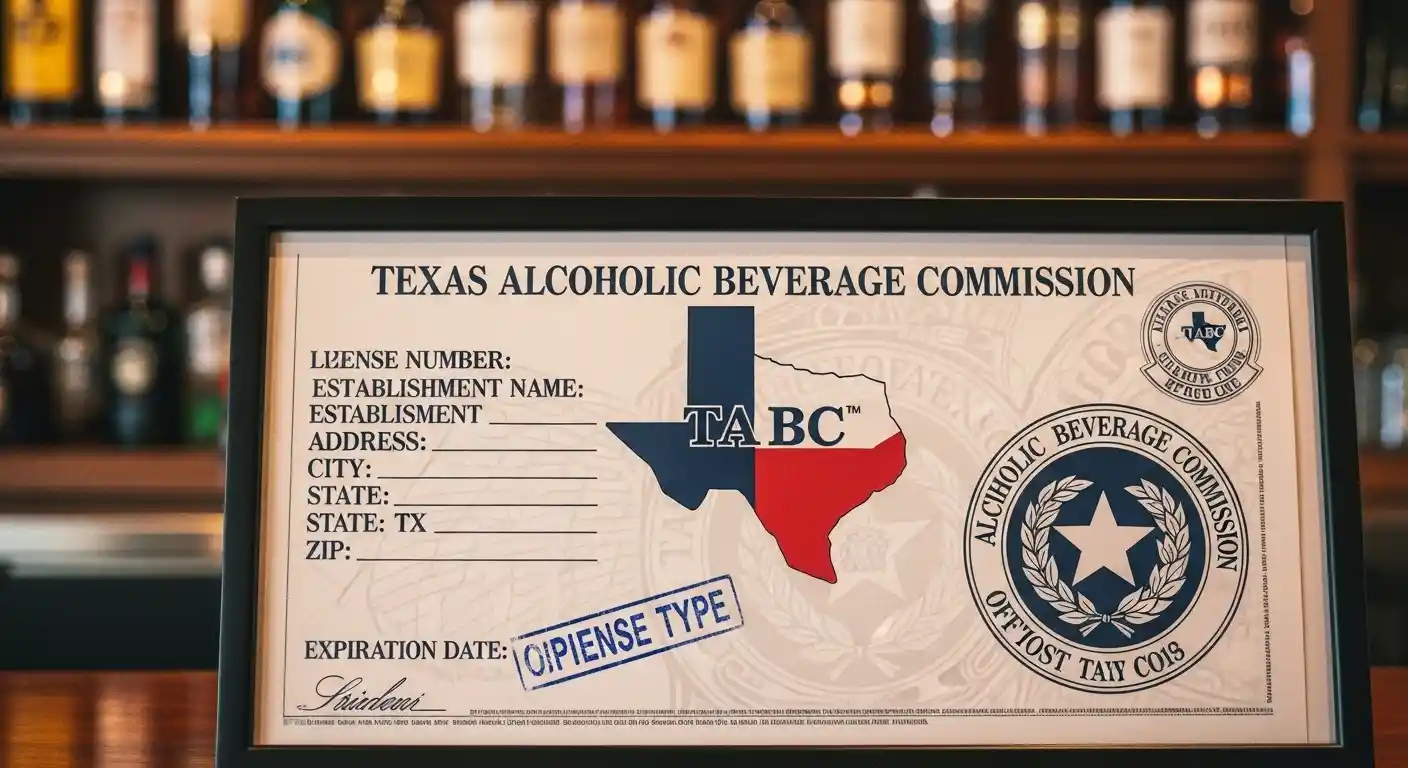

If you’re planning to sell or serve alcohol in Texas, getting your Texas ABC license is one of the first — and most important — steps you’ll take. Whether you’re opening a bar, restaurant, convenience store, or event venue, Texas has specific rules about who can sell alcohol and under what conditions. Skip this step, and you risk hefty fines or losing your business license entirely.
This guide walks you through everything you need to know — from understanding what the license actually covers, to submitting your application without making costly mistakes.
What Is a Texas ABC License?
In Texas, alcohol licensing is handled by the Texas Alcoholic Beverage Commission (TABC) — commonly referred to as the Texas ABC. The TABC regulates the manufacture, distribution, sale, and consumption of alcoholic beverages across the state.
The term “Texas ABC license” refers broadly to any permit or license issued by the TABC that allows a business or individual to legally handle alcohol. There are actually dozens of license types depending on your specific business model.
Types of Texas ABC Licenses
The TABC doesn’t issue a single one-size-fits-all license. Instead, it offers permits based on what you’re doing with alcohol:
- Retail Dealer’s On-Premise License (BE) — for bars and restaurants serving alcohol on-site
- Mixed Beverage Permit (MB) — allows serving mixed drinks, beer, wine, and liquor
- Wine and Beer Retailer’s Permit (BQ) — for restaurants selling wine and beer only
- Package Store Permit (P) — for liquor stores selling sealed containers
- Brewer’s License — for businesses that brew and sell beer
- Winery Permit — for Texas-based wineries
- Temporary Event Permit — for one-time events serving alcohol
Knowing which license fits your business is crucial before you even start the application process.
How to Apply for a Texas ABC License
Step 1: Determine the Right Permit Type
Visit the official TABC website and review the full list of license types. If you’re unsure, TABC has a permit finder tool that helps narrow down your options based on your business activity.
Step 2: Create a TABC Online Account
All applications go through the TABC’s online licensing portal. You’ll need to register for an account before submitting anything. Keep your business information handy — legal business name, EIN, physical address, and owner details.
Step 3: Complete the Application
The application collects detailed information about:
- Business ownership and structure
- Physical location and property details
- Financial background of all owners
- Criminal history disclosures
- Diagrams of your premises
Be thorough here. Incomplete applications cause delays or outright rejections.
Northern VA Area Code: What You Need to Know
Step 4: Post Public Notice
Texas law requires you to post a notice at your business location for a set period after submitting your application. This gives the public and local authorities a chance to raise objections. The notice must meet specific size and content requirements set by TABC.
Step 5: Pay the Application Fee
Fees vary widely by license type. A Mixed Beverage Permit, for example, costs significantly more than a basic Beer Retailer’s License. Fees can range from around $25 to over $3,000 depending on your permit and county population.
Step 6: Wait for Approval
Processing times can vary. Simple permits may clear in a few weeks. More complex licenses, especially those involving liquor sales, can take 60 to 90 days or longer if there are objections or issues with your application.
Texas ABC License Requirements
Before applying, you need to meet several baseline requirements:
- You must be 21 years of age or older
- You must not have a disqualifying criminal conviction
- Your business location must comply with local zoning laws
- The premises must meet TABC’s physical requirements
- All owners and partners must be disclosed on the application
- You must have a valid food handler certificate if food is served alongside alcohol (in many cases)
Also worth noting — TABC enforces a wet/dry county system in Texas. Some counties or precincts are “dry,” meaning alcohol sales are prohibited or restricted. Always verify your location’s status before investing in a space.
Pros and Cons of Getting a Texas ABC License
Pros
- Legally operate an alcohol-serving or selling business in Texas
- Opens up revenue streams — alcohol sales often carry strong profit margins
- Builds credibility and trust with customers
- Required to host paid ticketed events with alcohol
- Enables you to apply for additional permits like catering or temporary event licenses
Cons
- Application process is complex and time-consuming
- Fees can be significant depending on permit type
- Local zoning or community objections can delay or block approval
- License comes with ongoing compliance obligations
- Violations can result in suspension or permanent revocation
Common Mistakes to Avoid
Many first-time applicants run into the same problems. Here’s what to watch out for:
1. Applying for the wrong permit type. This is the most common mistake. Selling beer and wine requires a different permit than serving mixed drinks. Research carefully before submitting.
2. Ignoring local zoning rules. Even if TABC approves your license, your local city or county may block alcohol sales based on zoning. Check with your local planning office early in the process.
3. Missing the public notice requirements. Failing to properly post public notice — whether it’s the wrong size, wrong location, or posted too late — can invalidate your application.
4. Incomplete ownership disclosures. TABC requires full transparency about who owns the business. Leaving out a silent partner or investor can result in rejection or legal trouble down the line.
5. Not renewing on time. Texas ABC licenses require annual renewal. Missing your renewal deadline can result in your license lapsing, which means you have to stop selling alcohol immediately.
Best Practices for a Smooth Application
Follow these tips to avoid unnecessary headaches:
- Start early. Give yourself at least 90 days before your planned opening to begin the process.
- Use the TABC eLICENSING portal for all submissions — it’s faster and more reliable than paper.
- Hire a TABC consultant if your permit type is complex or if you’ve had prior issues. It’s money well spent.
- Keep your premises diagram accurate. TABC may inspect your location and compare it against your submitted diagram.
- Train your staff in TABC compliance from day one. Employees selling or serving alcohol must complete an approved seller-server training program (like TABC On The Fly).
- Stay updated on law changes. Texas alcohol laws evolve, and it’s your responsibility as the license holder to stay compliant.
Conclusion
Getting a Texas ABC license doesn’t have to feel overwhelming — but it does require attention to detail and patience. The TABC process exists to ensure public safety and responsible alcohol sales, so taking it seriously from the start puts you in a much stronger position.
Start by identifying the right permit type, prepare your documents carefully, and give yourself plenty of time before your target opening date. Once you’re licensed, maintain your compliance like your business depends on it — because it does.
Frequently Asked Questions
1. How long does it take to get a Texas ABC license?
Processing times vary by permit type. Most standard licenses take 30 to 90 days. Complex permits or those that receive public objections can take longer.
2. How much does a Texas ABC license cost?
Fees depend on the license type and your county’s population. Costs can range from as little as $25 for a temporary event permit to over $3,000 for a Mixed Beverage Permit in a large county.
3. Can I sell alcohol without a Texas ABC license?
No. Selling or serving alcohol in Texas without a valid TABC permit is illegal and can result in criminal charges, heavy fines, and permanent disqualification from holding future licenses.
4. Do I need a separate license for each location?
Yes. Each physical location where alcohol is sold or served requires its own individual TABC license or permit.
5. What happens if my Texas ABC license is suspended?
A suspension means you must immediately stop all alcohol sales at your location for the duration of the suspension period. Continued sales during a suspension can lead to permanent revocation and criminal penalties.
